

This website has a .gov link

The .gov means it’s official.

Louisiana government websites often end in .gov. Before sharing sensitive information, make sure you’re on a Louisiana government site.

HTTPS Connection

The site is secure.

The https:// ensures that you are connecting to the official website and that any information you provide is encrypted and transmitted securely.

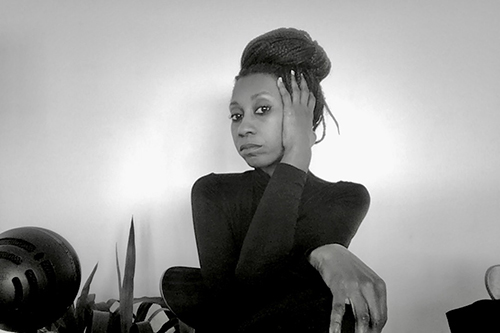
Shana Griffin is a Black feminist activist, independent researcher, applied sociologist, geographer, artist, abolitionist, and mother who lives within the Black geographies of New Orleans. She engages its feminist pedagogies—participating in research, organizing projects, and art practices that attend to the lived experiences of the Black Diaspora. Griffin is the founder of PUNCTUATE, a feminist initiative based in New Orleans, foregrounding the embodied aesthetics and practices of Black feminist thought and Integrating critical research methods with activism and socially engaged multimedia projects.


Schedule

Noon to 12:45 pm
Bienville Building, Conference Center 173
Seeing Black: Black Photography in New Orleans 1840 and Beyond
Shana Griffin and Tod Smith

1:00 pm to 1:45 pm
Cavalier House Books Tent
Book Signing


Seeing Black: Black Photography in New Orleans 1840 and Beyond

Situating historical inquiry alongside contemporary practices of Black image-making in New Orleans, Seeing Black: Black Photography in New Orleans 1840 and Beyond engages the photographic grammars, textures, multiplicities, and visual sounds of Black life in and outside the city.

Seeing Black features over two hundred images by nearly ninety Black photographers whose work embraces the camera's visual power―discerning, beholding, and documenting people, places, events, collective memories, encounters, and ever-present moments of blackness. From the invisible to the obvious, the mundane to the spectacular, the overlooked to the seen, the erased to the remembered, the artists explore a range of photographic frequencies, styles, and rhythmic scores. Seeing Black invites us to explore historical and contemporary archives of Black life while challenging dominant viewing practices, asking who is taking the picture, who is in or missing from the frame, and how to shift our interactions with the visual image through an intentionally embodied Black gaze.