

This website has a .gov link

The .gov means it’s official.

Louisiana government websites often end in .gov. Before sharing sensitive information, make sure you’re on a Louisiana government site.

HTTPS Connection

The site is secure.

The https:// ensures that you are connecting to the official website and that any information you provide is encrypted and transmitted securely.

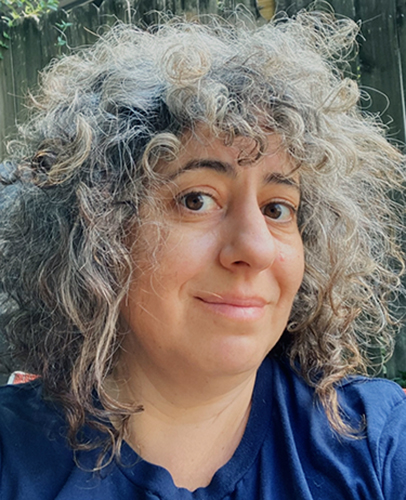
Alison Fensterstock

Alison Fensterstock has been a music critic and feature writer in New Orleans for Gambit Weekly, the Times-Picayune and the Louisiana Endowment for the Humanities' 64 Parishes magazine, with work also appearing in Pitchfork, Rolling Stone, the Oxford American, MOJO, the New York Times, the Los Angeles Times, NPR Music, and other places. She's been a DJ on the award-winning jazz and heritage radio station WWOZ-FM for almost exactly 20 years. Her next book is the biography Don't Be Boring: The Life, Art and Obsessions of Bunny Matthews.


Schedule

1:00 pm to 1:45 pm
State Library, Fourth Floor
How Women Made Music: A Revolutionary History from NPR Music
Alison Fensterstock and Gwen Thompkins with moderator Megan Holt

2:00 pm to 2:45 pm
Cavalier House Books Tent
Book Signing
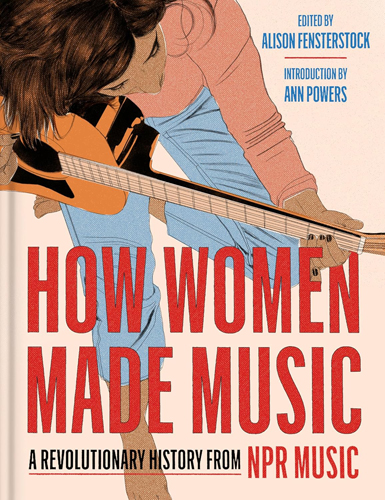

How Women Made Music: A Revolutionary History from NPR Music

Drawn from NPR Music’s acclaimed, groundbreaking series Turning the Tables, the definitive book on the vital role of Women in Music—from Beyoncé to Odetta, Taylor Swift to Joan Baez, Joan Jett to Dolly Parton—featuring archival interviews, essays, photographs, and illustrations.

Turning the Tables, launched in 2017, has revolutionized recognition of female artists, whether it be in best album lists or in the Rock and Roll Hall of Fame

How Women Made Music: A Revolutionary History from NPR Music brings this impressive reshaping to the page and includes material from more than fifty years of NPR’s coverage plus newly commissioned work. A must-have for music fans, songwriters, feminist historians, and those interested in how artists think and work, including: 

  • Joan Baez talking about nonviolence as a musical principle in 1971
  • Dolly Parton’s favorite song and the story behind it 
  • Patti Smith describing art as her “jealous mistress” in 1974
  • Nina Simone, in 2001, explaining how she developed the edge in her voice as a tool against racism
  • Taylor Swift talking about when she had no idea if her musical career might work
  • Odetta on how shifting from classical music to folk allowed her to express her fury over Jim Crow

 This incomparable hardcover volume is a vital record of history destined to become a classic and a great gift for any music fan or creative thinker.